
Seed Oils Explained: Myths, Facts, and What Actually Matters
Seed oils have become one of the most debated topics in modern nutrition, often surrounded by confusion, fear-based claims, and oversimplified explanations. Many people come across conflicting opinions online, where some sources label seed oils as harmful while others consider them completely safe. This creates uncertainty for everyday users who simply want to make healthier cooking choices without diving into complex scientific discussions. VegetableOilHX aims to break down this topic in a clear and balanced way so people can understand what seed oils are and how they fit into a normal diet.
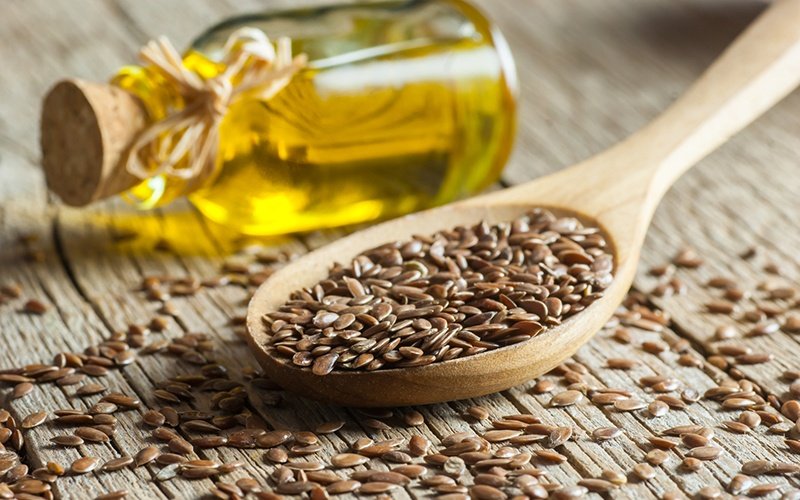
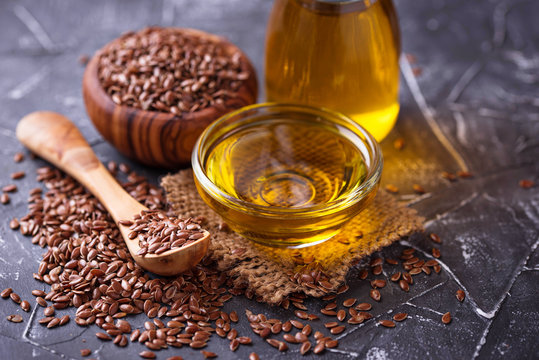
Seed oils are commonly used in households and food production because they are affordable, widely available, and suitable for various cooking methods. They are extracted from seeds such as sunflower, soybean, corn, and canola, and are often refined to improve stability and shelf life. While refinement changes the natural composition of the oil, it also makes it more suitable for high-volume food preparation. Understanding this process helps remove confusion and allows people to evaluate oils based on practical usage rather than fear-driven assumptions.
Understanding the Controversy
The debate around seed oils often comes from differences in interpretation of nutritional research and selective presentation of information. Some discussions focus on specific chemical components, while others emphasize overall dietary patterns. This creates a situation where people may hear only one side of the story and assume it represents the full picture. In reality, nutrition is influenced by multiple factors, including overall diet quality, cooking methods, and lifestyle habits, not just a single ingredient.
It is also important to understand that many concerns about seed oils are based on extreme consumption patterns or industrial usage scenarios rather than typical home cooking. Most individuals do not consume oils in isolation but as part of mixed meals that include proteins, vegetables, and carbohydrates. This context matters because the body processes nutrients differently depending on overall dietary balance. Therefore, focusing on complete eating habits is often more meaningful than isolating one ingredient.
Nutrition is not defined by a single ingredient but by the overall pattern of what you eat every day.
What Actually Matters in Daily Cooking
When it comes to cooking oils, the most important factors are usage, temperature, and balance rather than fear of specific categories. Different oils behave differently when heated, and understanding this helps prevent unnecessary damage during cooking. For example, using an oil beyond its suitable heat range can affect its stability, while using it correctly maintains its intended properties. This practical knowledge is far more useful than focusing only on labels or general claims about health effects.
Another important consideration is moderation. Oils are calorie-dense, and excessive use of any type can impact overall dietary balance. Instead of eliminating entire categories, it is more effective to control quantity and combine oils with nutrient-rich foods. This approach allows flexibility while still supporting better health outcomes. Over time, small improvements in cooking habits can make a noticeable difference without requiring drastic lifestyle changes.
Building a Balanced Perspective
A balanced approach to nutrition means avoiding extreme positions and focusing on practical understanding. Instead of labeling foods as strictly good or bad, it is more helpful to evaluate how they fit into your overall lifestyle. This mindset reduces confusion and helps people make decisions based on real-world context rather than fear or trends. VegetableOilHX encourages this type of thinking because it leads to more sustainable and realistic eating habits.
When people develop a balanced perspective, they become more confident in their food choices and less influenced by conflicting online opinions. This confidence comes from understanding rather than restriction. Over time, this leads to healthier relationships with food and more consistent nutrition habits. The goal is not perfection but awareness and steady improvement in everyday decisions.
Conclusion
Seed oils are often misunderstood because of simplified narratives that do not reflect real-world eating patterns. When viewed in proper context, they are one part of a much larger nutritional system that depends on overall diet quality and lifestyle. By focusing on balance, moderation, and informed choices, individuals can make better decisions without unnecessary fear or confusion.
VegetableOilHX aims to provide clarity in areas where nutrition information often becomes overwhelming. Instead of promoting strict rules, the focus is on practical understanding that helps people improve their daily habits step by step. This approach makes healthy eating more realistic, sustainable, and easier to follow in the long run.
Leave a Reply